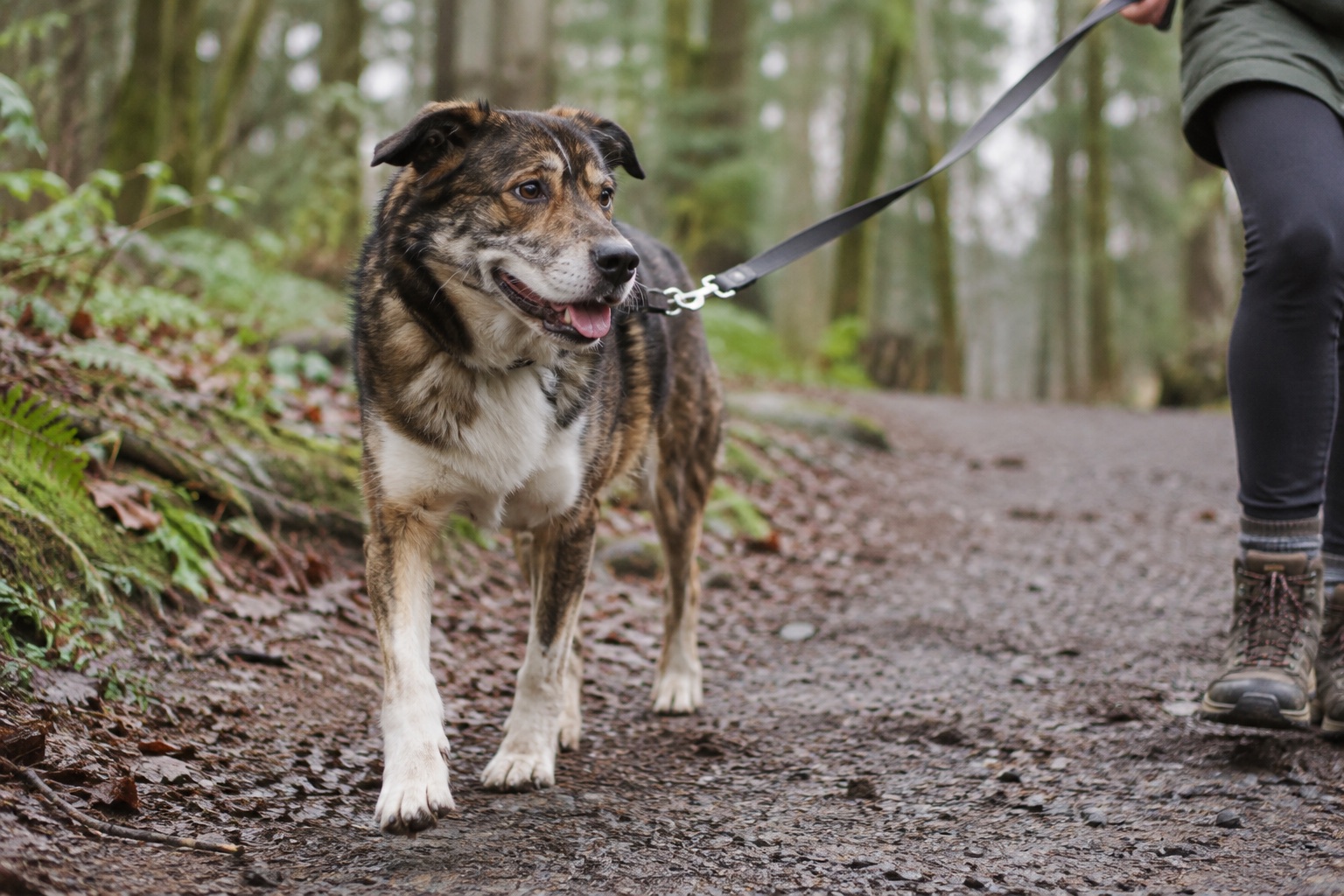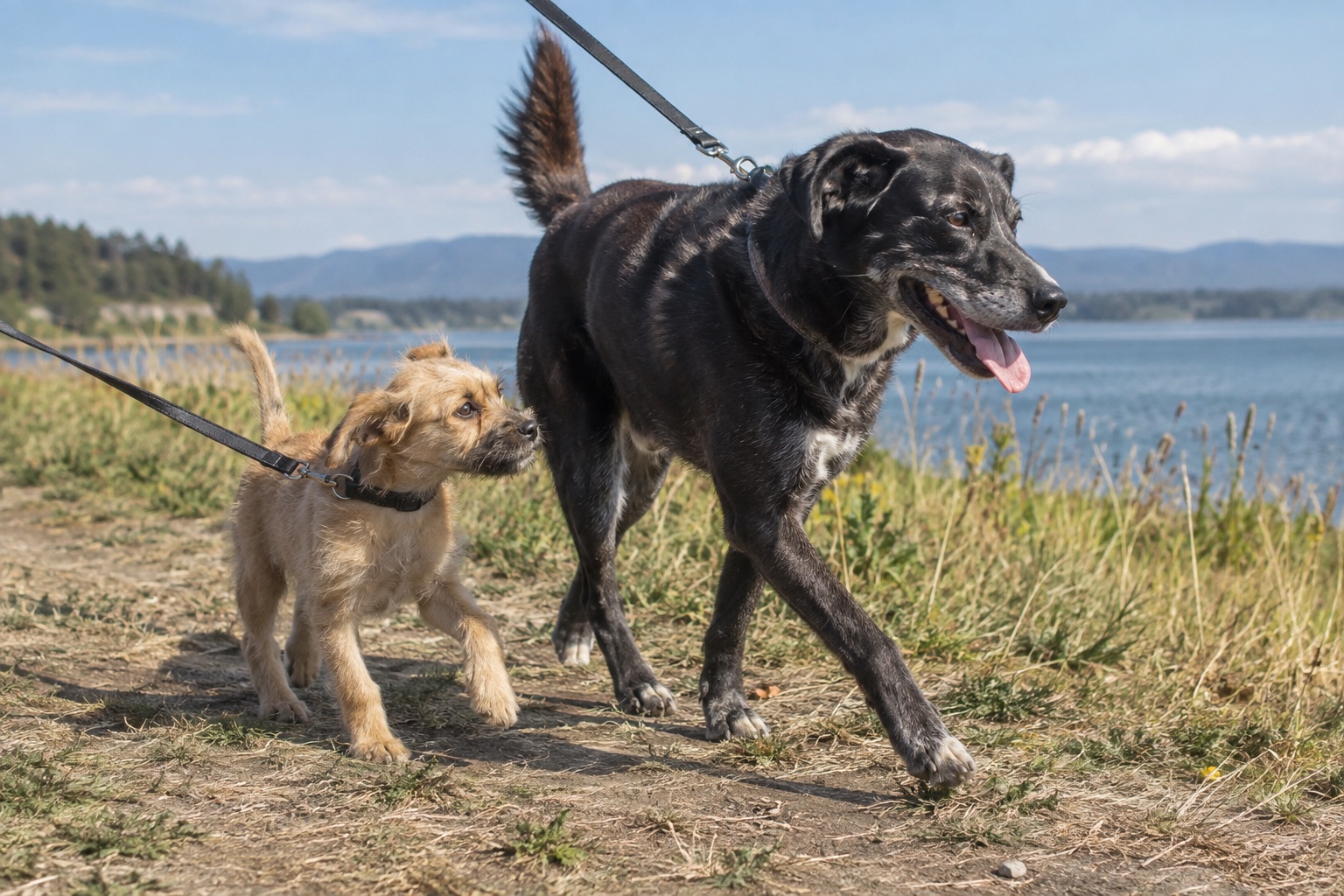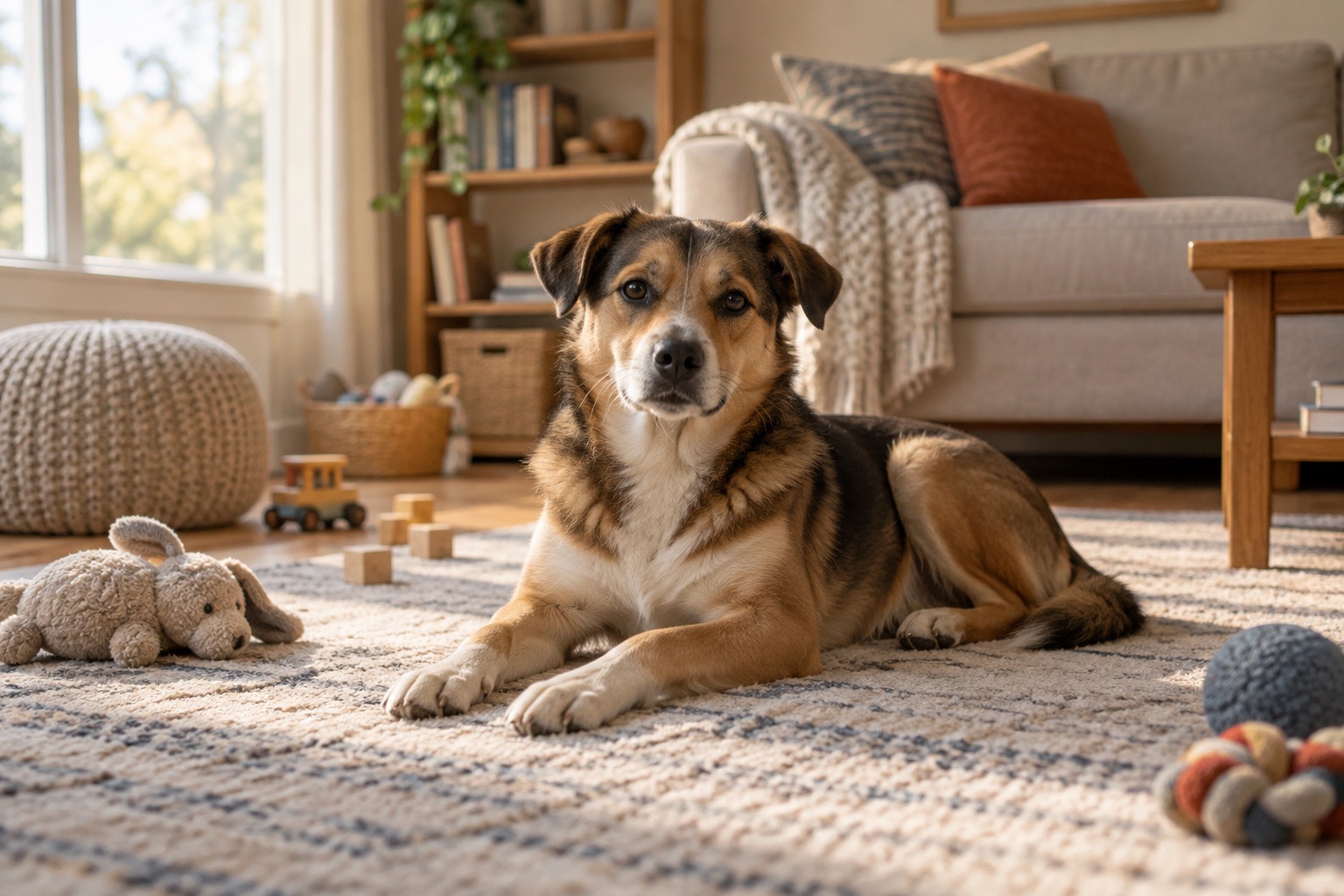
The best dog for a family with children is an individual dog whose observed behavior, energy, handling comfort, and care needs fit that specific household. No breed is automatically safe with children, and every dog-child interaction requires active adult supervision.
Start with your children’s ages and routines
A toddler’s movement and sound differ from a teenager’s. Describe your children honestly to the shelter: ages, activity, visiting friends, experience with animals, and ability to follow boundaries. Adults must remain responsible for feeding, exercise, training, supervision, and veterinary care.
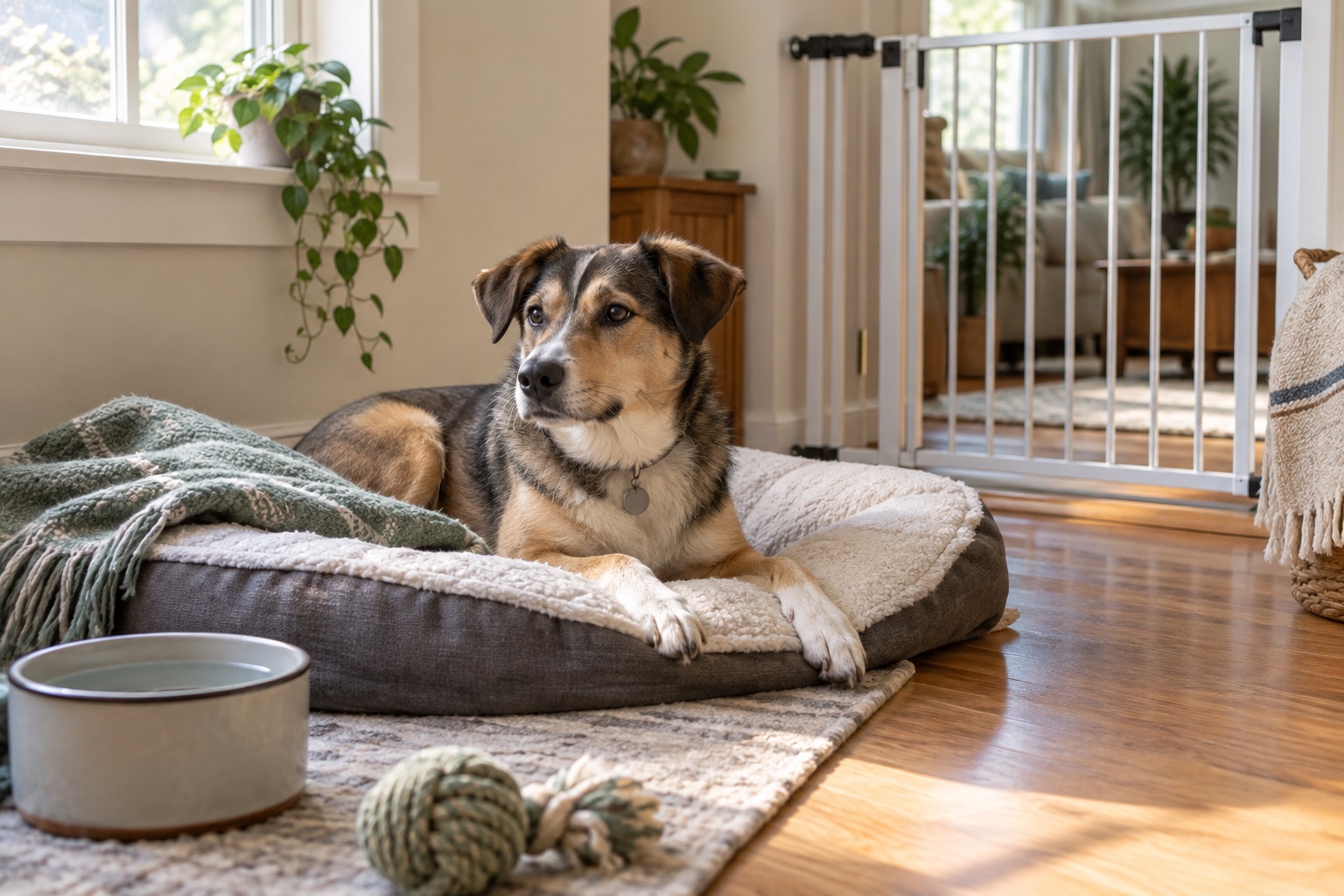
Young children should never climb on, corner, hug, wake, or take food from a dog. Give the dog a resting place children do not enter.
Traits to discuss with the rescue
Ask about the individual dog’s:
- History and observed behavior around children of similar ages.
- Response to sudden movement, noise, handling, and crowded spaces.
- Energy, play style, mouthiness, and ability to settle.
- Comfort sharing space without sharing food, toys, or beds.
- Stress signals and preferred ways to disengage.
- Training and management needs.
“Good with kids” is a starting note, not a safety guarantee. Ask what behavior led to that description and where it was observed.
Energy fit matters
A high-energy dog may enjoy an active family but can overwhelm small children without training and structured outlets. A calm dog may suit a quieter home, though calm does not mean tolerant of every interaction. Match the dog’s needs to the adults’ reliable capacity, rather than expecting children to tire the dog out.
Why an adult dog may be worth considering
Adult dogs may have a more established size, play style, and social pattern than puppies. Foster caregivers may also know how an adult settles in a home. Puppies can grow into wonderful family companions, but they bring frequent bathroom needs, chewing, jumping, mouthing, socialization, and months of training.
Compare both options in our puppy-versus-adult guide.
Plan a careful first meeting
Follow the rescue’s process. Keep the meeting calm and avoid surrounding the dog. Let the dog choose whether to approach. Adults should watch the whole dog for avoidance, freezing, stiffness, tucked posture, lip licking, or attempts to leave.
A pleasant meeting cannot predict every future situation. Ask what decompression and supervision should look like after adoption.
Build safer household habits
- Use gates or doors to create separation when adults cannot supervise.
- Feed the dog away from children and leave the dog alone while eating.
- Store high-value chews and toys deliberately.
- Teach children to invite interaction rather than pursue it.
- Protect sleep and quiet time.
- Contact a qualified professional early if behavior concerns appear.
The ASPCA’s guidance on dogs and children(opens in a new tab) emphasizes preparation, gradual change, useful training skills, and managed introductions. Families should adapt any advice to the child’s age and seek professional help for safety concerns.
Questions before you apply
- Has the dog lived with children, and what were those interactions like?
- Does the dog guard food, toys, resting places, or people?
- How does the dog recover from excitement or fear?
- What exercise and training does the dog need each day?
- Are there medical issues that affect touch or patience?
- What follow-up support does the organization provide?
Use the household filters in PetQuestAI search to create a shortlist, then verify every compatibility note directly with the rescue. The best family match is one where the adults can meet the dog’s needs and consistently protect respectful space for everyone.