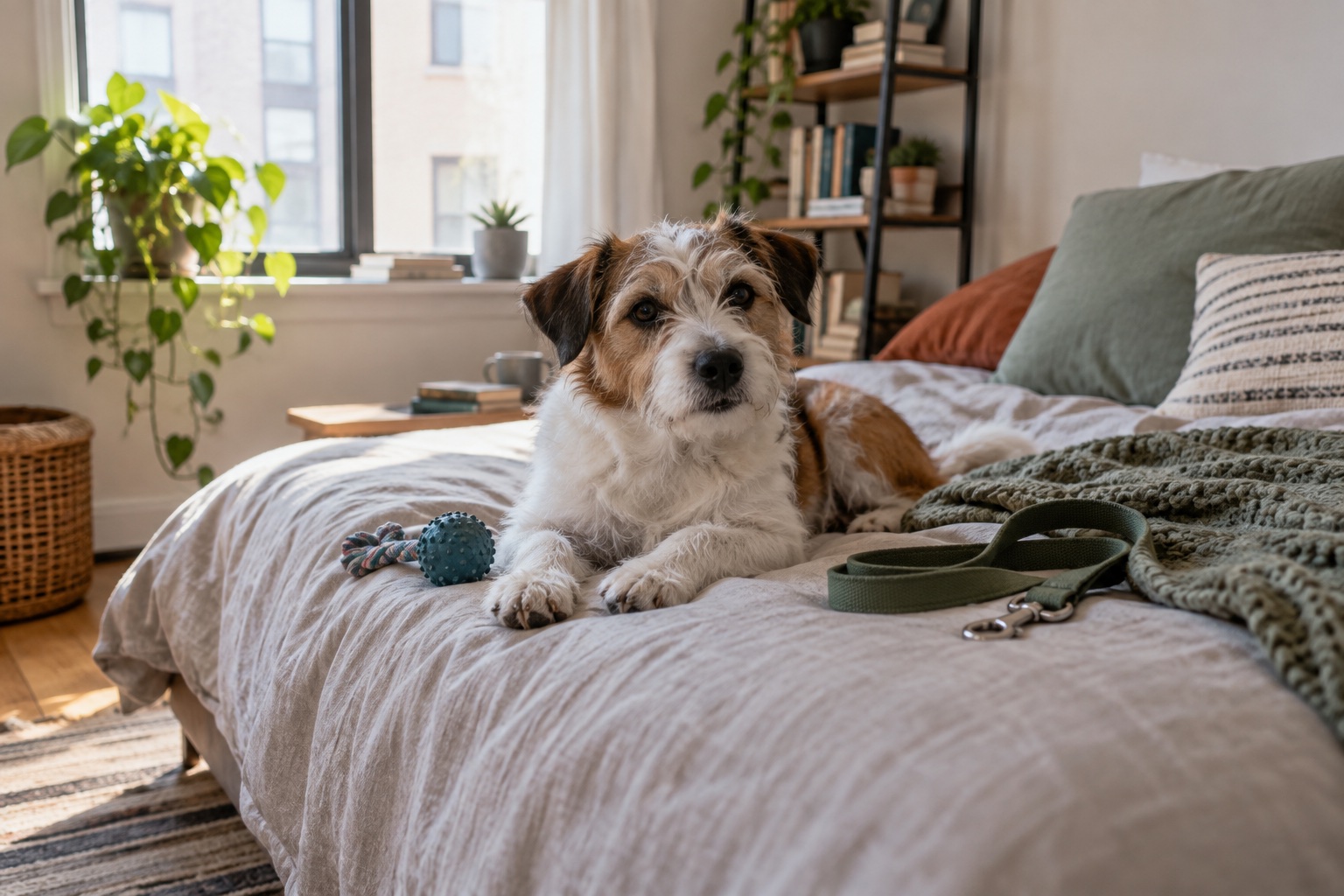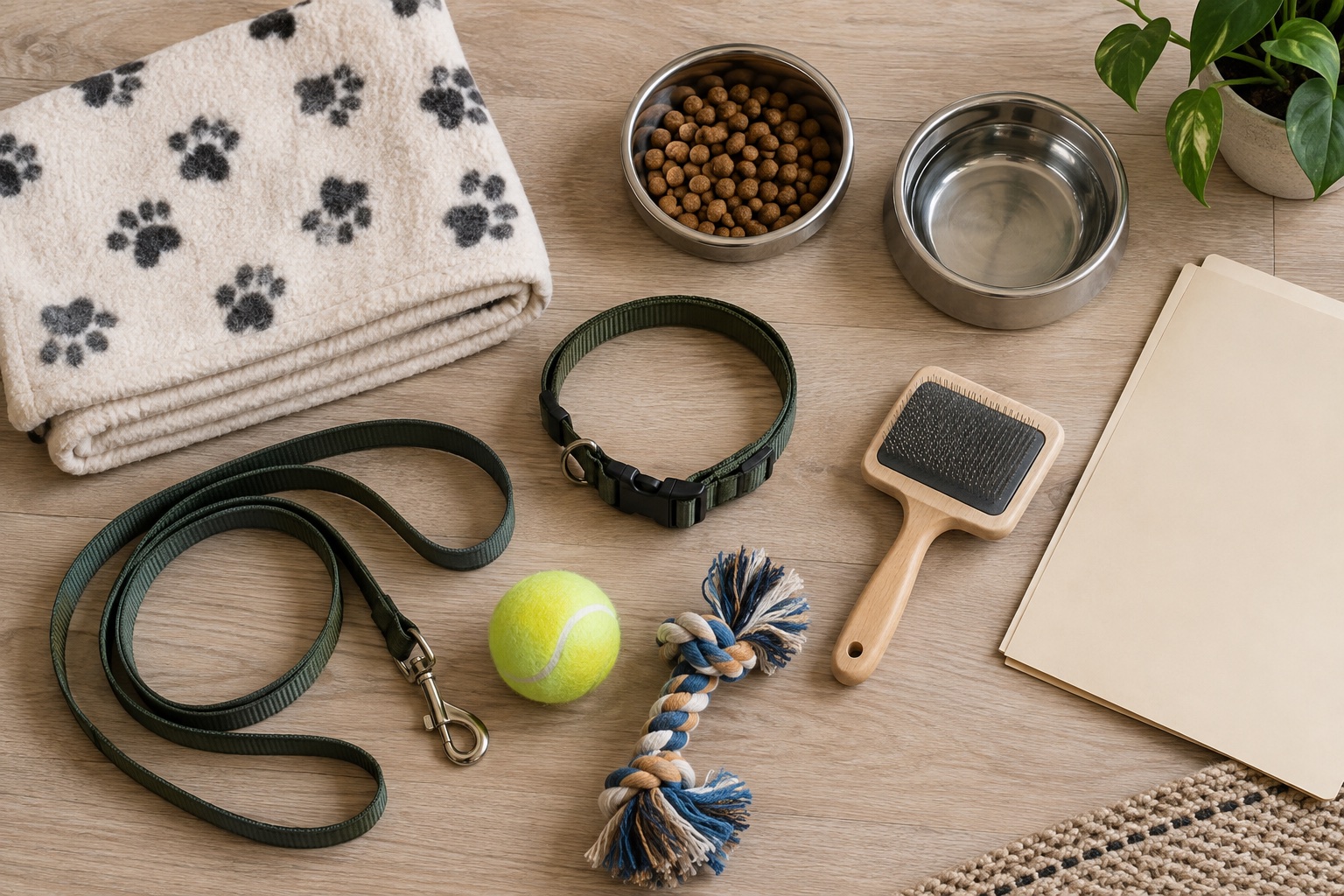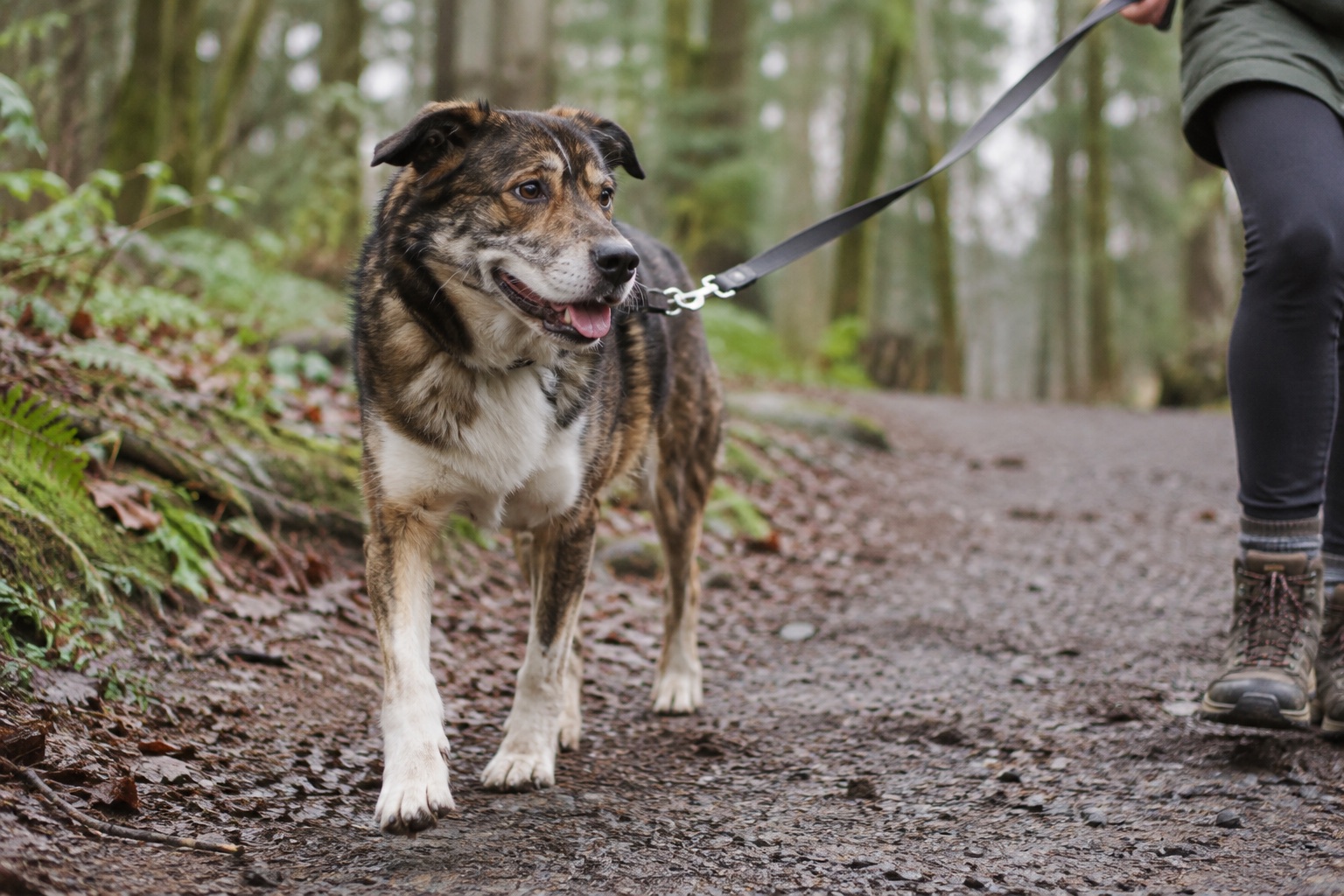
The right dog is the one whose needs and personality fit the life you can consistently provide. Start with your schedule, home, household, activity, care budget, and training experience. Then evaluate each dog as an individual. Breed and appearance can offer context, but they cannot promise temperament or compatibility.
Start with an honest picture of your week
Think about an ordinary Tuesday rather than an ideal Saturday. How many hours will the dog usually spend without you? Who handles morning walks, evening exercise, feeding, training, and veterinary visits? If your schedule changes, what backup care is realistic?
A dog with high exercise and enrichment needs may thrive with a person who enjoys daily training and long outings. A calmer adult may suit someone who prefers neighborhood walks and quiet evenings. “Low energy” still means regular movement, attention, bathroom breaks, and mental stimulation.
Match the dog to your home
Square footage is only one part of home fit. Consider:
- Pet rules in your lease, building, homeowners association, and insurance policy.
- Safe access to outdoor bathroom areas and walks.
- Noise sensitivity among neighbors.
- Stairs, elevators, fencing, and accessibility.
- Space to separate pets during introductions or feeding.
Large dogs can sometimes live comfortably in apartments, while some small dogs need substantial activity and may vocalize frequently. Ask how the individual dog settles indoors and behaves when left alone.
Look beyond breed labels
Shelter breed labels may be estimates, and dogs of the same breed or mix can behave very differently. Give more weight to observed behavior, foster-home notes, known history, energy, handling comfort, recovery after stress, and the support the dog will need after adoption.
The American Veterinary Medical Association’s dog-selection guide(opens in a new tab) recommends considering daily care, housing, time away, other pets, grooming, future life changes, and the role you want a dog to fill.
Consider age and life stage
Puppies need frequent bathroom trips, socialization, supervision, and patient training. Adolescents may have adult-sized bodies with developing impulse control. Adults often have more established patterns, although moving homes can temporarily change behavior. Seniors may prefer a gentler pace and can require more medical planning.
Age never tells the whole story. Ask what a typical day looks like for the specific dog. Our puppy versus adult dog guide can help you compare the tradeoffs.
Include everyone in the household
Discuss responsibilities, boundaries, allergies, finances, travel, and expectations before applying. Children need active adult supervision around dogs, even when a dog has lived successfully with children before. Existing pets also deserve a gradual, managed introduction.
Tell the rescue about children, dogs, cats, small animals, frequent visitors, and accessibility needs. Complete information helps staff suggest a safer starting point.
Ask the shelter useful questions
Bring a short list to the conversation:
- What does the dog’s normal daily routine look like?
- What is known about time alone, house training, and leash skills?
- How does the dog respond to handling, visitors, children, and other animals?
- What medical care, medication, grooming, or training is expected?
- What behavior has staff or the foster caregiver observed under stress?
- What support and return policy does the organization provide?
No profile can guarantee future behavior. A shelter or foster home differs from your home, and adjustment takes time.
Decide with needs, not urgency
It is okay to pause, ask another question, or decide that a dog is not the right fit. A thoughtful no can protect both you and the animal. Avoid choosing only because a photo creates urgency or because you feel pressure to commit immediately.
Use Match Me to organize your preferences into a transparent starting score, then verify the details with the rescue. The goal is not a perfect prediction. It is a better first conversation and a match you are prepared to support.