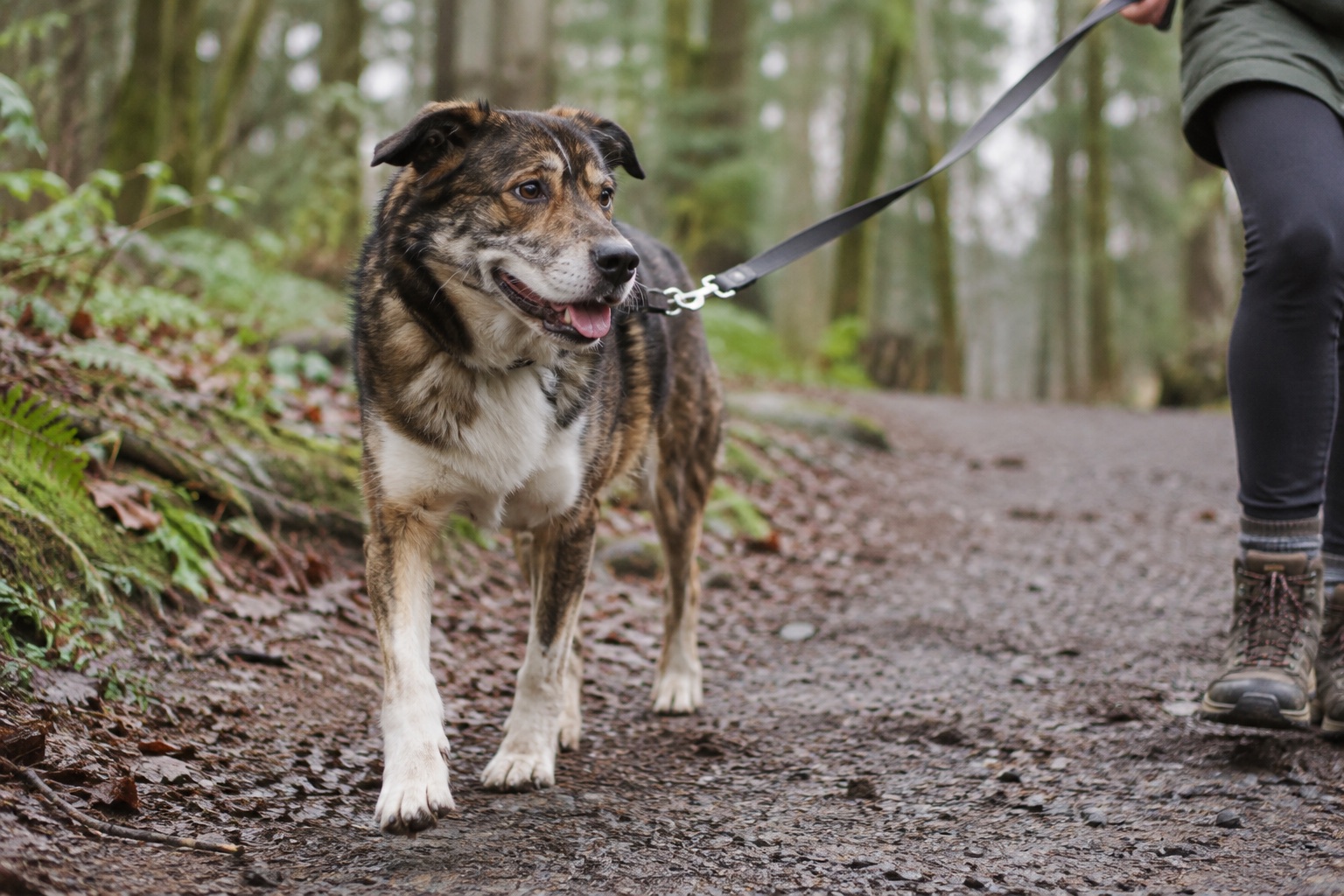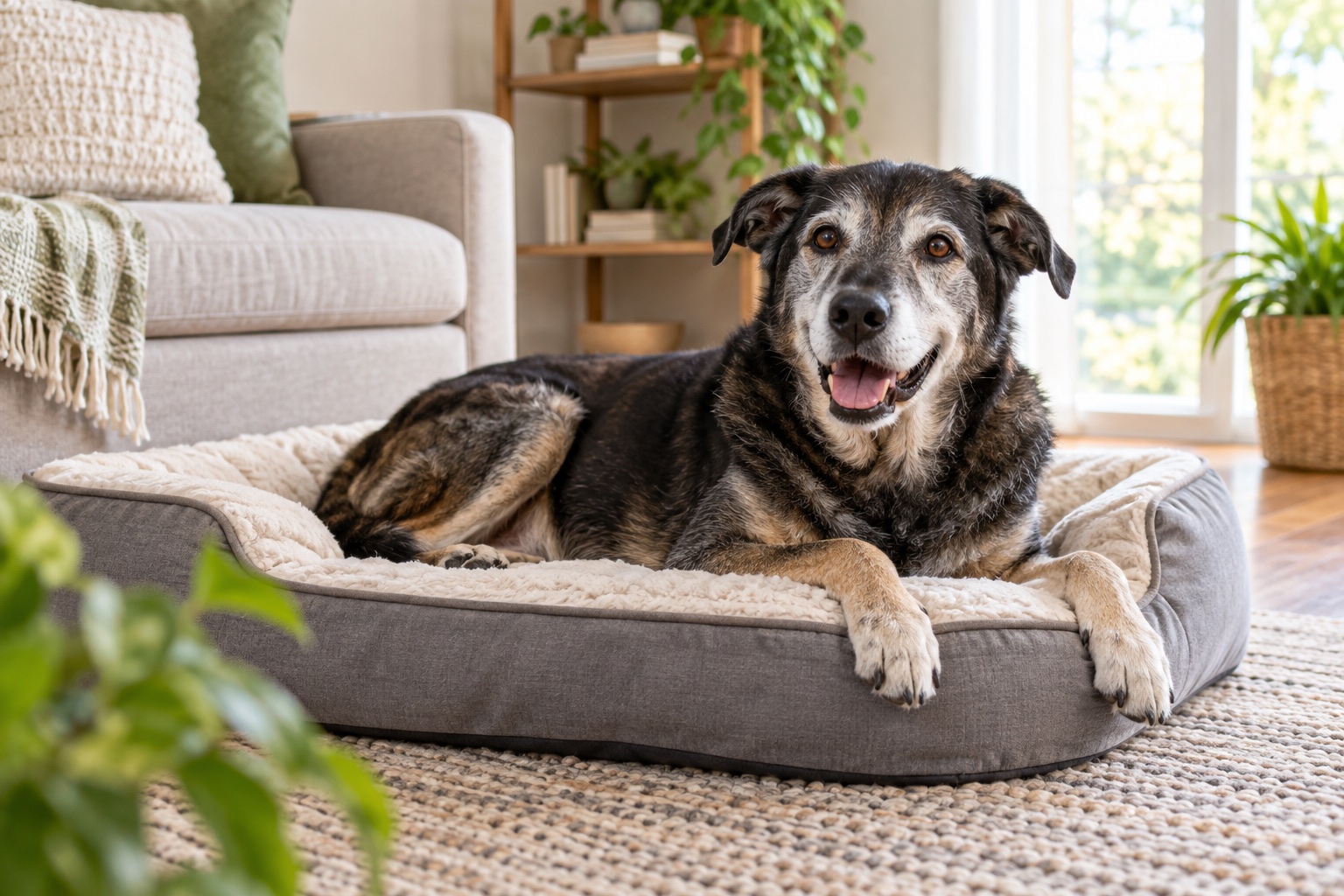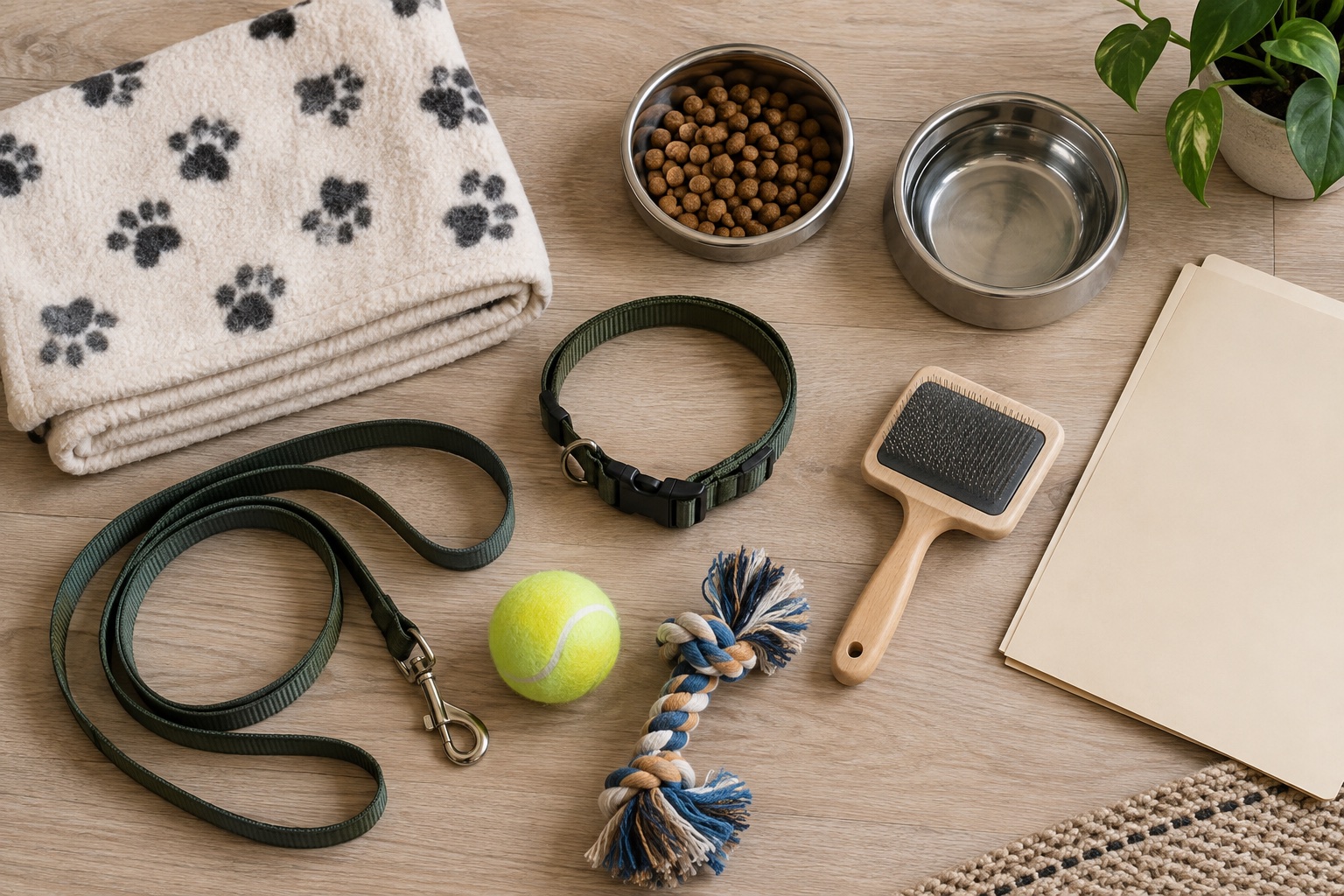
Choose a puppy if you are prepared for intensive supervision, frequent bathroom breaks, socialization, chewing, and months of training. Choose an adult dog when a more established size, activity pattern, and observed personality better fit your life. Individual needs still matter more than age alone.
What adopting a puppy involves
Puppies learn constantly, including when nobody intended to teach them. They need a safe environment, frequent trips outside, appropriate social experiences, rest, play, veterinary care, and consistent reinforcement from everyone in the household.
Expect interrupted routines. Young puppies cannot simply match a full workday without a care plan. They may chew furniture, mouth hands, have accidents, wake early, and pass through adolescent periods when previously learned skills seem less reliable.
The reward is the chance to support development from an early stage. That opportunity also carries responsibility: socialization should be safe and positive, not overwhelming, and veterinary advice should guide disease-risk decisions.
What an adult dog may offer
An adult dog has reached or approached mature size. Shelter or foster staff may be able to describe house-training history, play style, sociability, energy, and home behavior. Some adults already know useful routines.
Adult does not mean “fully trained” or “problem-free.” A change of environment can affect bathroom habits, sleep, appetite, and behavior. Some dogs arrive with limited history and need patient teaching just as a puppy would.
Compare the daily workload
Puppy: frequent supervision, socialization, short training sessions, more bathroom trips, chewing management, and changing exercise needs.
Adult: adjustment and relationship building, reinforcement of household skills, exercise based on the individual, and possible work on behaviors learned in previous environments.
Either dog needs time, companionship, preventive care, enrichment, and an emergency plan.
Compare predictability
With an adult, size and current behavior are easier to observe. With a puppy, breed estimates and early behavior cannot guarantee adult size or temperament. Genetics, health, learning, environment, and individual experience all contribute.
Ask where observations occurred. A foster home may reveal different information than a kennel, and behavior can change again after adoption.
Compare costs
Puppies may require a series of veterinary visits, age-appropriate vaccinations, training support, replacement of damaged items, and equipment changes as they grow. Adults may arrive with more veterinary procedures completed, but they can have dental, medical, training, or grooming needs of their own.
Do not choose by adoption fee alone. Build a full budget with our guide to dog adoption costs.
Which is better for a first-time adopter?
There is no universal answer. A sociable adult with manageable needs and good foster information may offer a gentler learning curve. A first-time adopter with flexible time, support, and realistic expectations may do well with a puppy. A dog of either age with complex medical or behavior needs may require experienced help.
The AVMA’s selecting-a-dog guide(opens in a new tab) encourages prospective owners to consider time, housing, work schedules, other pets, restrictions, grooming, future changes, and desired activities.
Questions to decide
- Can someone provide frequent care during a puppy’s early months?
- How much uncertainty about adult size and energy can the household accept?
- Is the household ready for chewing, mouthing, accidents, and adolescence?
- Would an observed adult routine fit more comfortably?
- Is there money and time for training and unexpected care?
- What does the shelter know about this individual animal?
Use Match Me to compare age preferences with your schedule, home, activity, and experience. Stay open to the dog whose actual needs fit best, even if that dog is a different age than you first imagined.