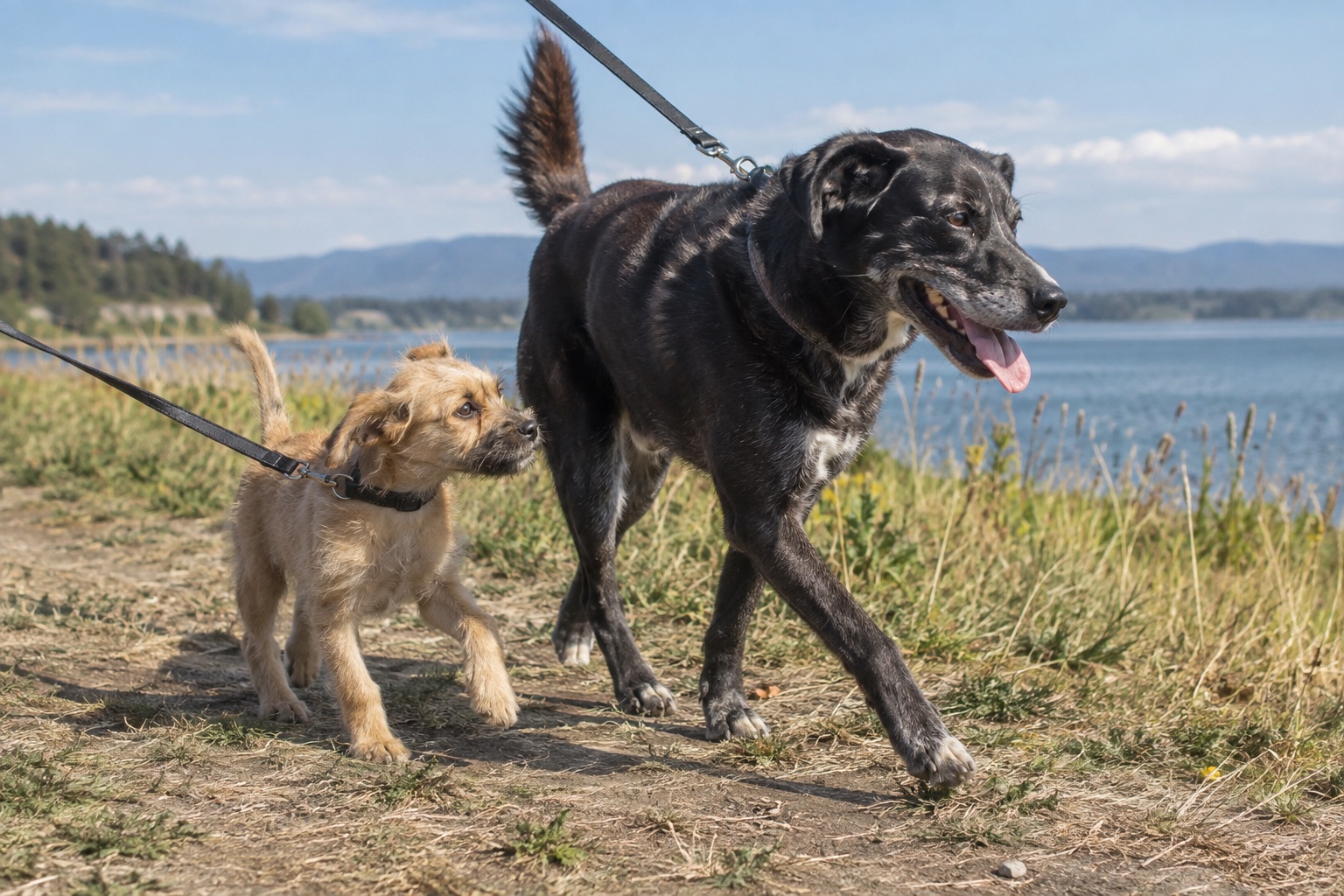
Adopting a senior dog can mean welcoming a companion with a more established personality, known adult size, and potentially steadier daily rhythm. It also means planning honestly for veterinary monitoring, mobility, comfort, and the possibility of a shorter time together.
1. Their personality may be easier to observe
Age does not make behavior perfectly predictable, especially during a stressful move. Still, foster caregivers and shelter staff may be able to describe an older dog’s preferred activity, social style, handling comfort, and home routine with useful detail.
Ask how long and where the behavior was observed. A kennel, clinic, foster home, and adopter’s home create different conditions.
2. Adult size is already known
You can plan equipment, transportation, housing, and physical handling around the dog’s present size. This is especially valuable when a lease, stairs, vehicle, or caregiver strength creates limits.
3. Many seniors enjoy a settled routine
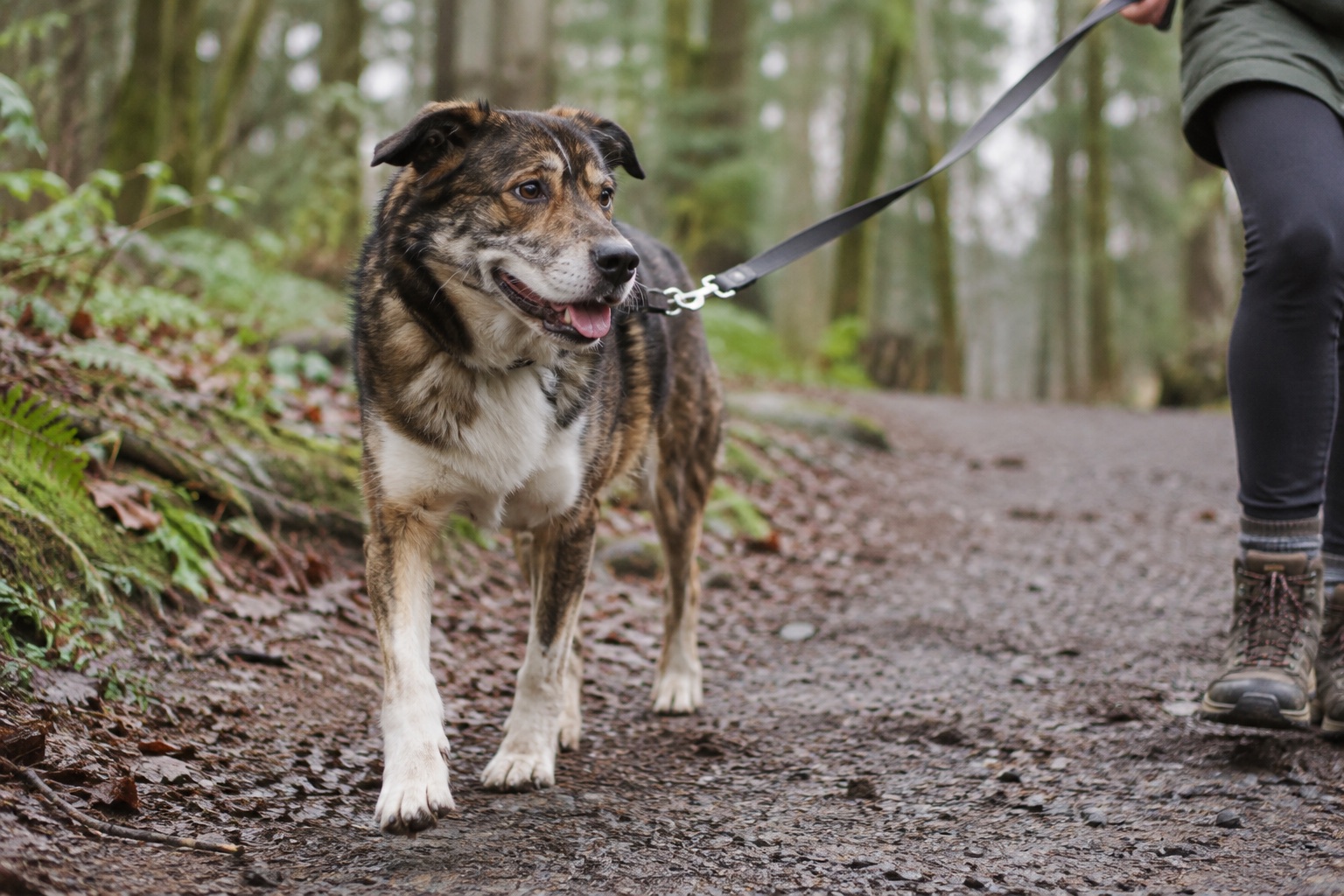
Some older dogs appreciate relaxed walks, sniffing, soft beds, predictable meals, and close company. Others remain highly active. “Senior” is an age category, not an energy guarantee, so ask about the individual.
4. Training still matters
Older dogs can learn new routines and skills. Reward-based training can improve communication, provide enrichment, and help a dog adapt to a new home. Adjust session length, surfaces, treats, and movement to health and comfort.
5. You may receive helpful history
Some senior dogs arrive with records about house training, home life, other animals, children, travel, grooming, or time alone. History can guide your plan, though it cannot guarantee future behavior.
6. Their needs can fit a quieter household
A senior may suit an adopter who values companionship and a measured pace. Confirm that the dog’s bathroom, medical, and alone-time needs fit your schedule. Some older dogs need more frequent outings or support during the day.
7. Comfort-focused home changes can be simple
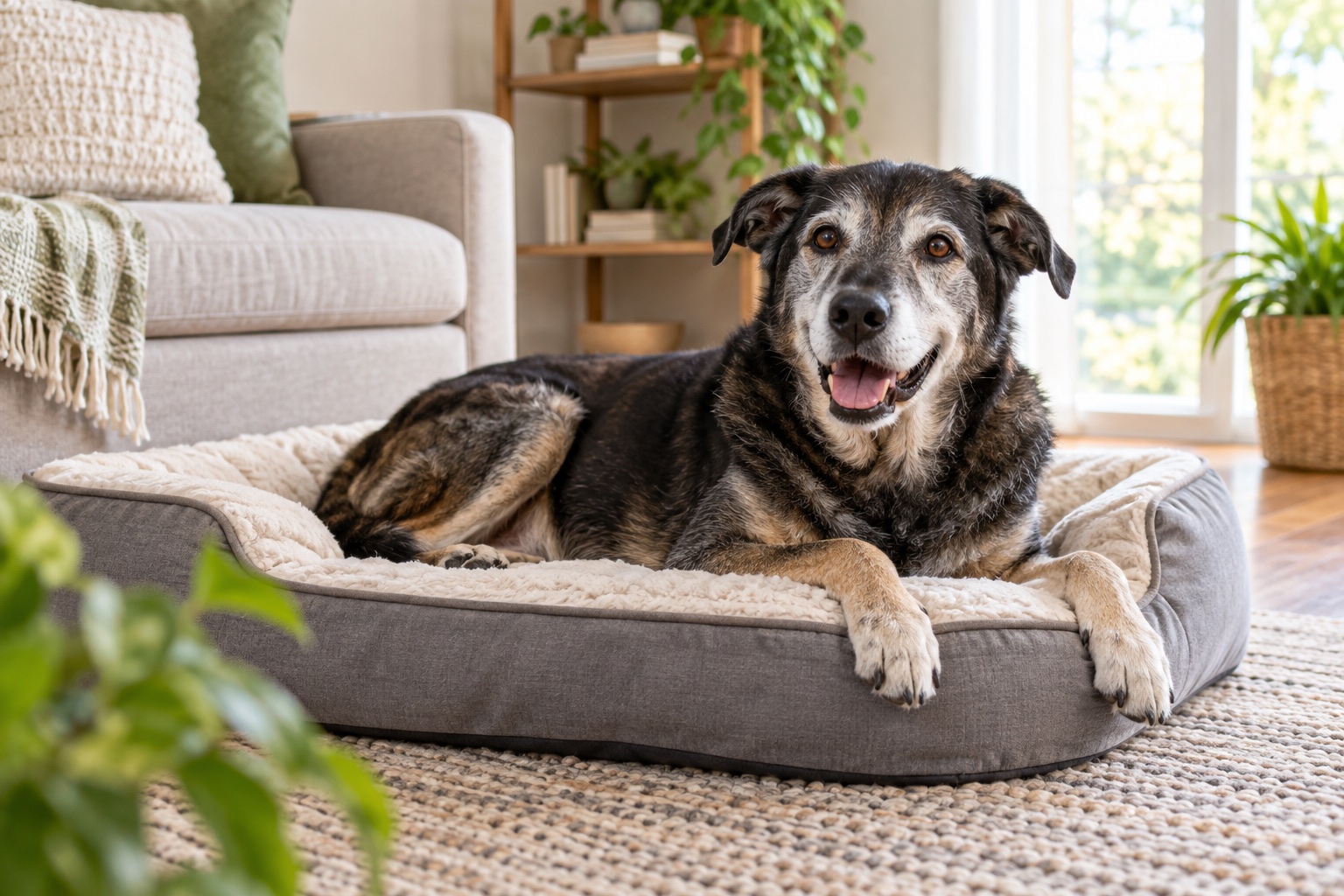
Rugs on slippery floors, supportive bedding, trimmed nails, ramps, blocked stairs, raised or lowered resources when recommended, and easy access to bathroom areas may improve daily comfort. Ask a veterinarian what is appropriate for the dog rather than guessing.
8. Medical planning becomes especially important
Request available records and discuss examinations, dental care, medication, diet, vision, hearing, mobility, and monitoring with a veterinarian. Build recurring care and unexpected changes into your adoption budget.
Age alone does not describe health. Some seniors have few current concerns; others need significant support.
9. The adjustment period still deserves patience
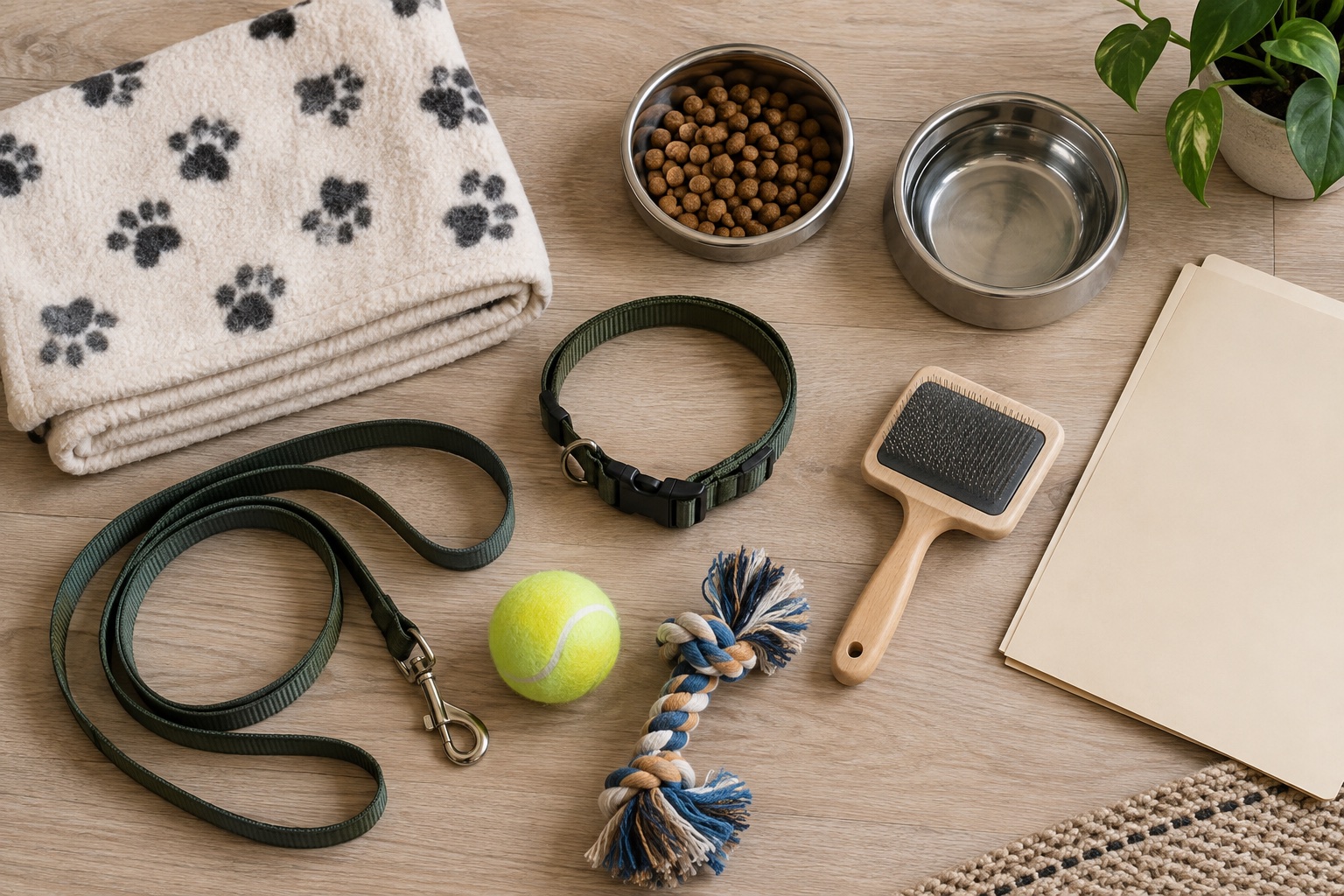
An older dog may grieve, feel disoriented, sleep differently, or need time to learn a new layout. Keep early routines quiet and consistent. The ASPCA’s adoption tips(opens in a new tab) recommend a dedicated safe space, pet-proofing, necessities prepared in advance, and patience as each animal adjusts at an individual pace.
10. The relationship is not measured only in years
No adopter can know exactly how much time any dog will have. A senior adoption asks you to accept uncertainty while offering care today. Discuss end-of-life values and practical support with your veterinarian before a crisis, especially when known conditions exist.
Questions to ask the shelter
- What does a comfortable day look like for this dog?
- What medical conditions, medications, or diets are known?
- How often does the dog need bathroom access?
- Are stairs, slick floors, handling, vision, or hearing concerns?
- How does the dog respond to children and other pets?
- What follow-up support is available?
Use PetQuestAI search to explore adoptable dogs and ask each organization about older animals in its care. A senior dog should not be chosen from sympathy alone; choose with the preparation and respect needed to make the next chapter secure.