Introduce a new dog to your resident dog in controlled stages: assess both dogs first, begin with space and parallel movement in a neutral area, keep resources separate at home, supervise actively, and increase shared time only when both dogs remain comfortable.
Assess compatibility before adoption
Tell the rescue about your resident dog’s age, size, play style, health, social history, fears, and resource behavior. Ask equivalent questions about the adoptable dog. A dog who enjoys some dogs may not enjoy every dog.
Consider whether your resident dog actually benefits from canine company. Older dogs, dogs in pain, and dogs with serious fear or aggression may find a new housemate especially difficult. Consult your veterinarian and a qualified behavior professional when the history raises concerns.
Prepare the home first
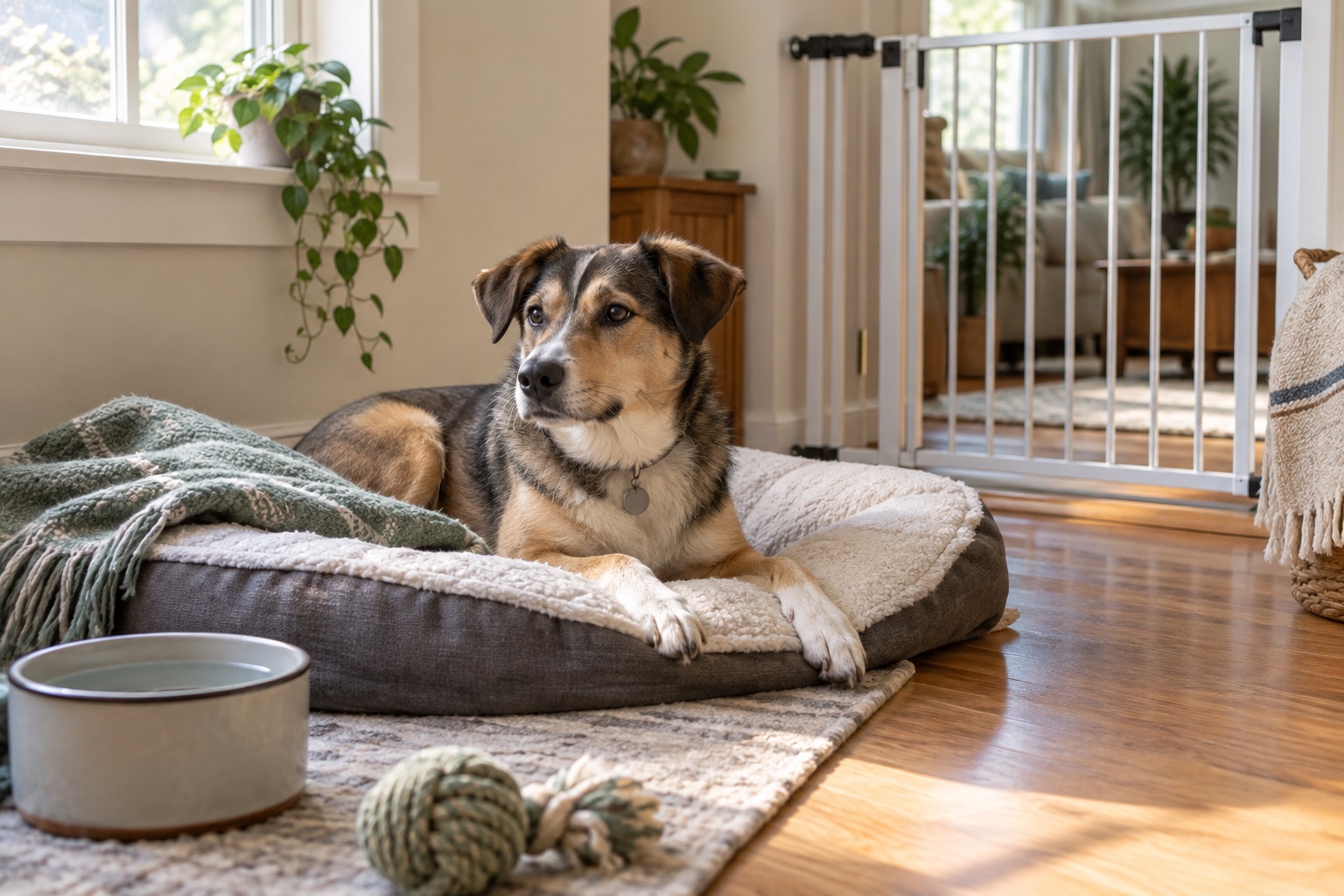
Set up separate resting areas, water, feeding locations, toys, chews, and confinement spaces. Remove high-value items before the new dog enters. Gates and closed doors should allow each dog to rest without being approached.
Do not expect the dogs to “work it out.” Management prevents conflict while both animals learn new routines.
Begin outside with two handlers
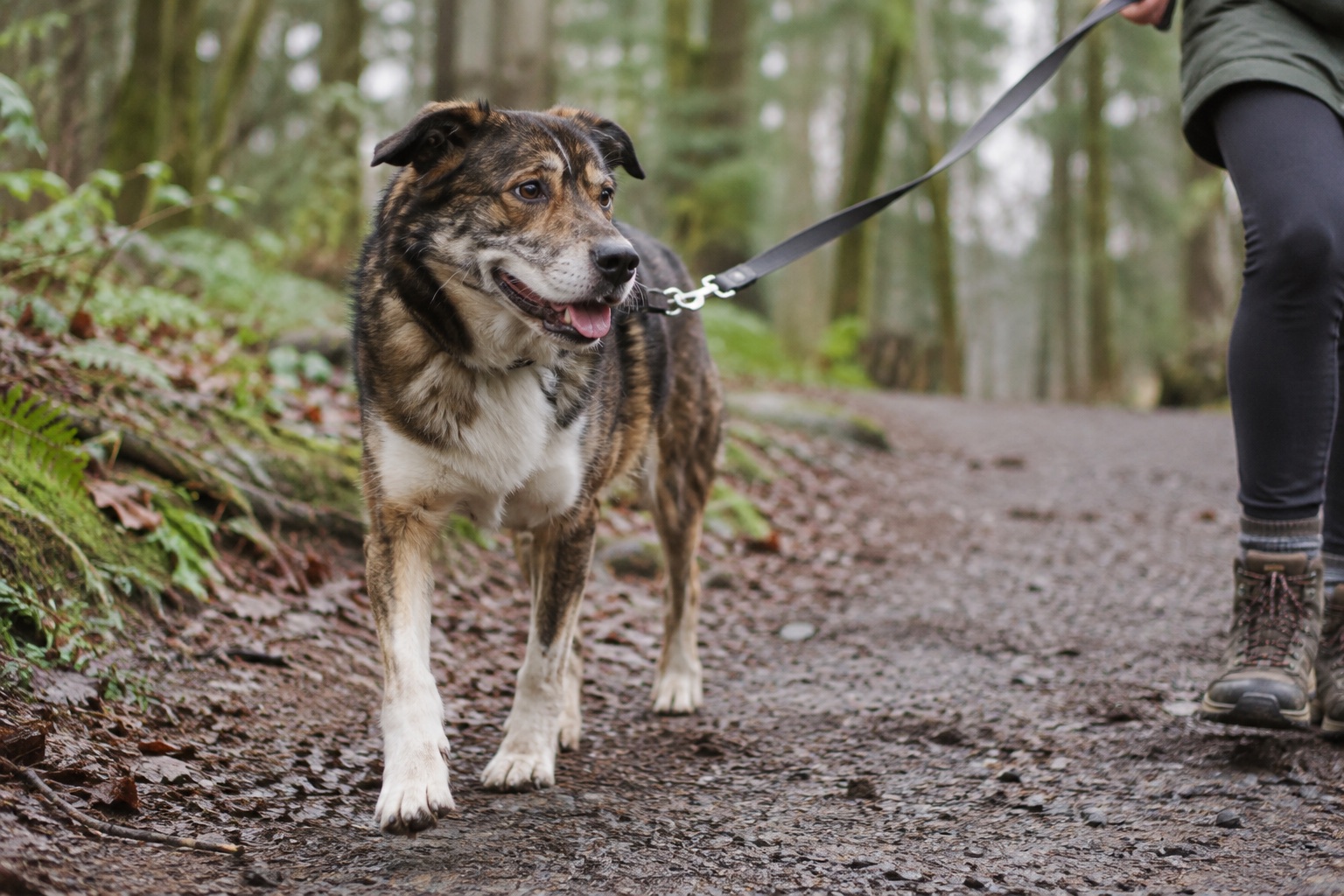
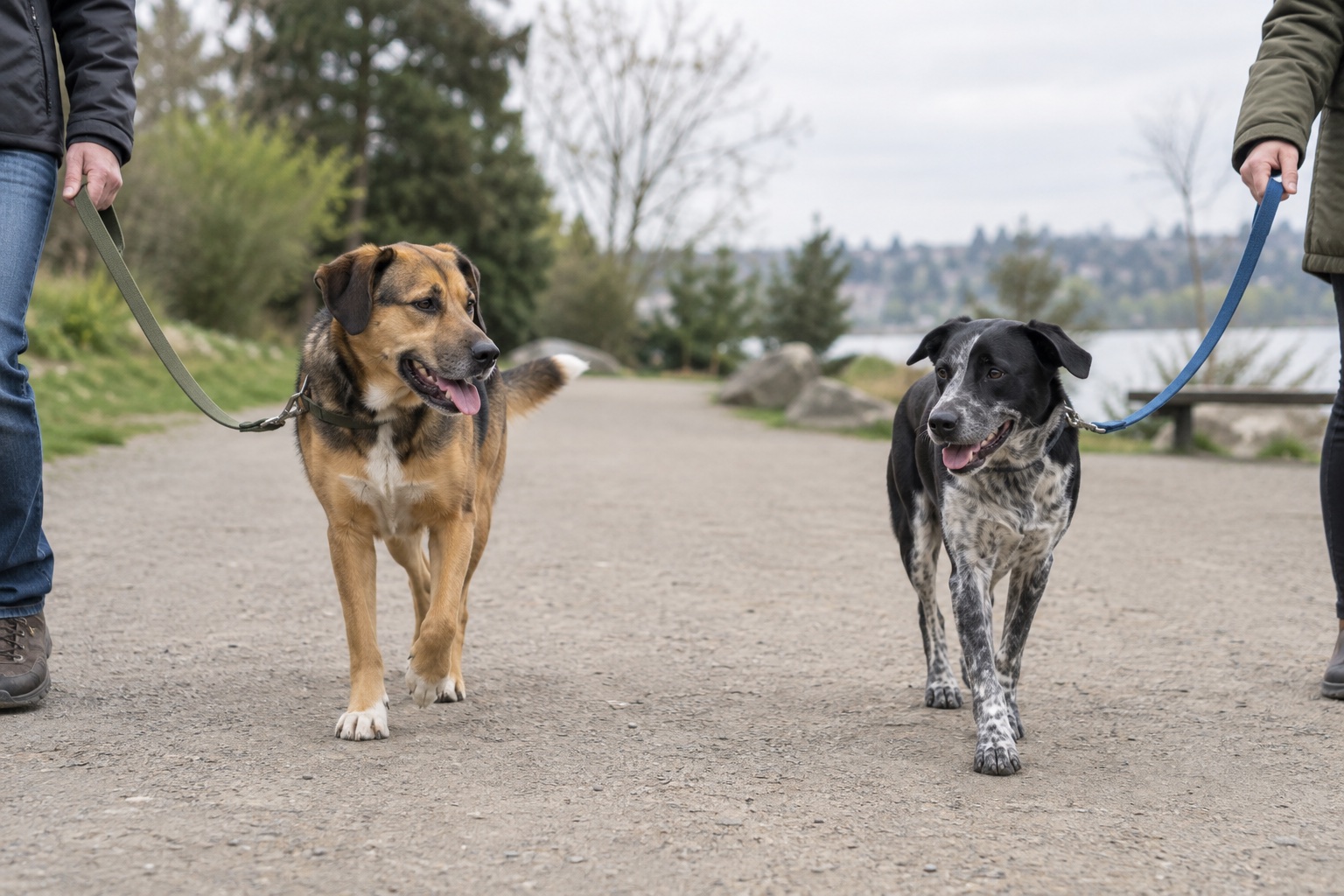
Follow the rescue’s introduction protocol. When appropriate, start in a spacious, neutral or low-pressure area with one capable adult per dog. Keep leashes loose enough for natural movement while maintaining control and distance.
Walk in the same direction with space between the dogs. Reward calm attention and sniffing. Gradually reduce distance only if both dogs show loose movement and can disengage. Avoid pulling them directly nose-to-nose.
Read the whole interaction
Comfortable signals can include loose bodies, curved approaches, sniffing the environment, play invitations, and the ability to move away. Stress can include freezing, hard staring, closed mouth, repeated avoidance, tucked posture, frantic movement, raised tension, or escalating vocalization.
One signal never tells the whole story. Increase distance when either dog struggles, and end while the interaction is still manageable.
Entering the home
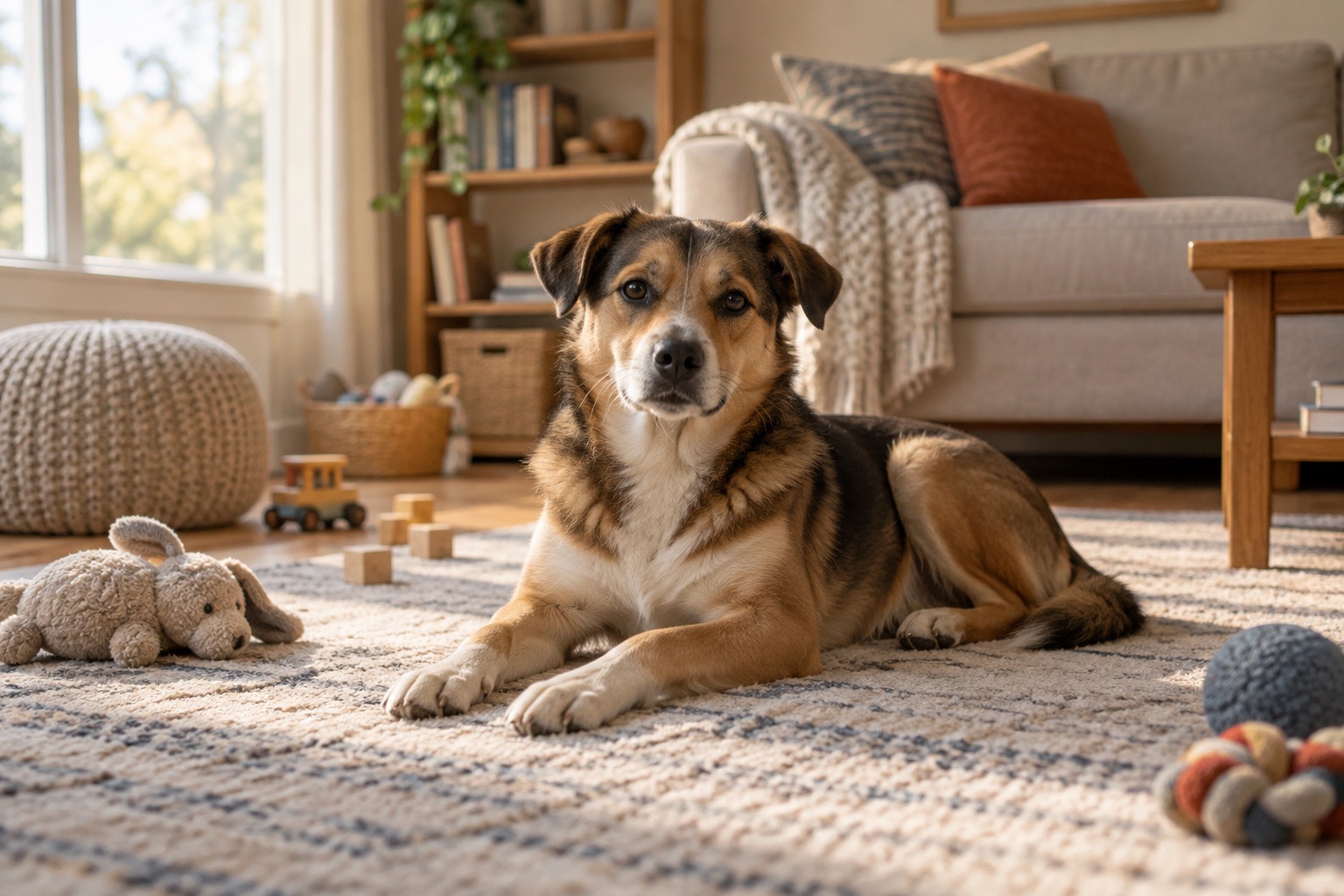
Bring the dogs inside according to the plan from the rescue or professional helping you. Keep the first indoor period short and structured. Show each dog their separate area. Continue separate feeding and do not leave the dogs alone together simply because the first meeting went well.
Household transitions can change behavior. The ASPCA recommends(opens in a new tab) a dedicated decompression space and warns against forcing early interactions with people or pets.
Manage resources deliberately
Feed behind barriers. Pick up bowls afterward. Introduce toys and chews later, one category at a time, with close supervision and enough space. Give affection without creating crowding or competition.
Maintain the resident dog’s predictable care while meeting the new dog’s needs. Separate time with each dog supports rest and individual relationships.
Increase freedom gradually
Short, successful sessions are more useful than a long interaction that becomes tense. Add shared time based on observed comfort, not a calendar. Continue using barriers when cooking, receiving visitors, leaving home, or managing high excitement.
Get help early when needed
Separate safely and contact a qualified professional after fights, bites, persistent guarding, stalking, inability to disengage, or escalating fear. Seek medical care for injuries. Avoid punishment, which can suppress warnings and add fear without resolving the cause.
Introduction checklist
- Share complete histories with the rescue.
- Prepare separate resources and rest areas.
- Use two handlers and appropriate equipment.
- Start with distance and parallel movement.
- Keep early sessions brief.
- Feed and provide high-value items separately.
- Supervise until a qualified plan supports more freedom.
- Adjust to the dogs in front of you.
When using Match Me, include your existing dog in the household answers. A compatibility note helps create a shortlist, but a careful introduction and ongoing management determine what happens next.