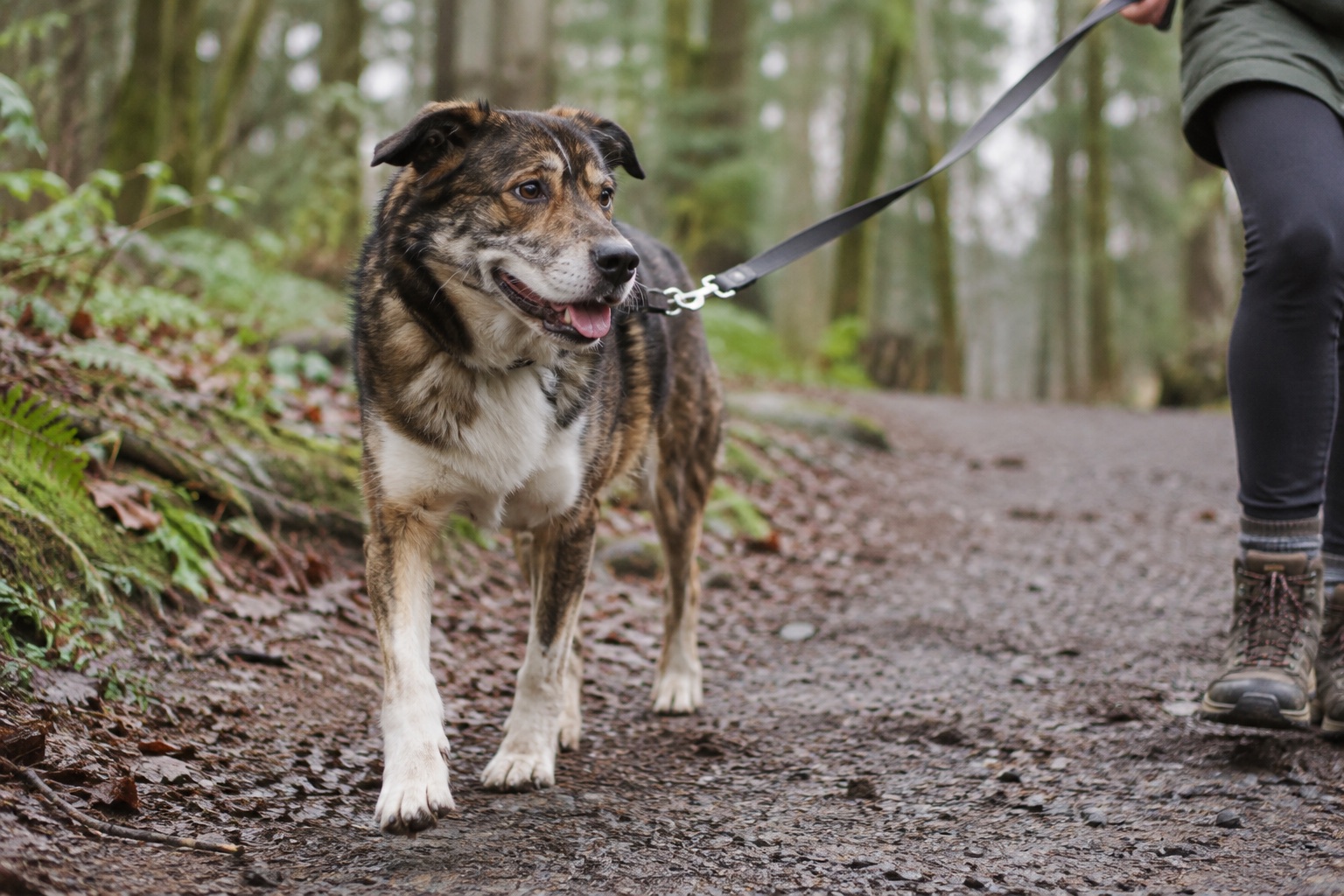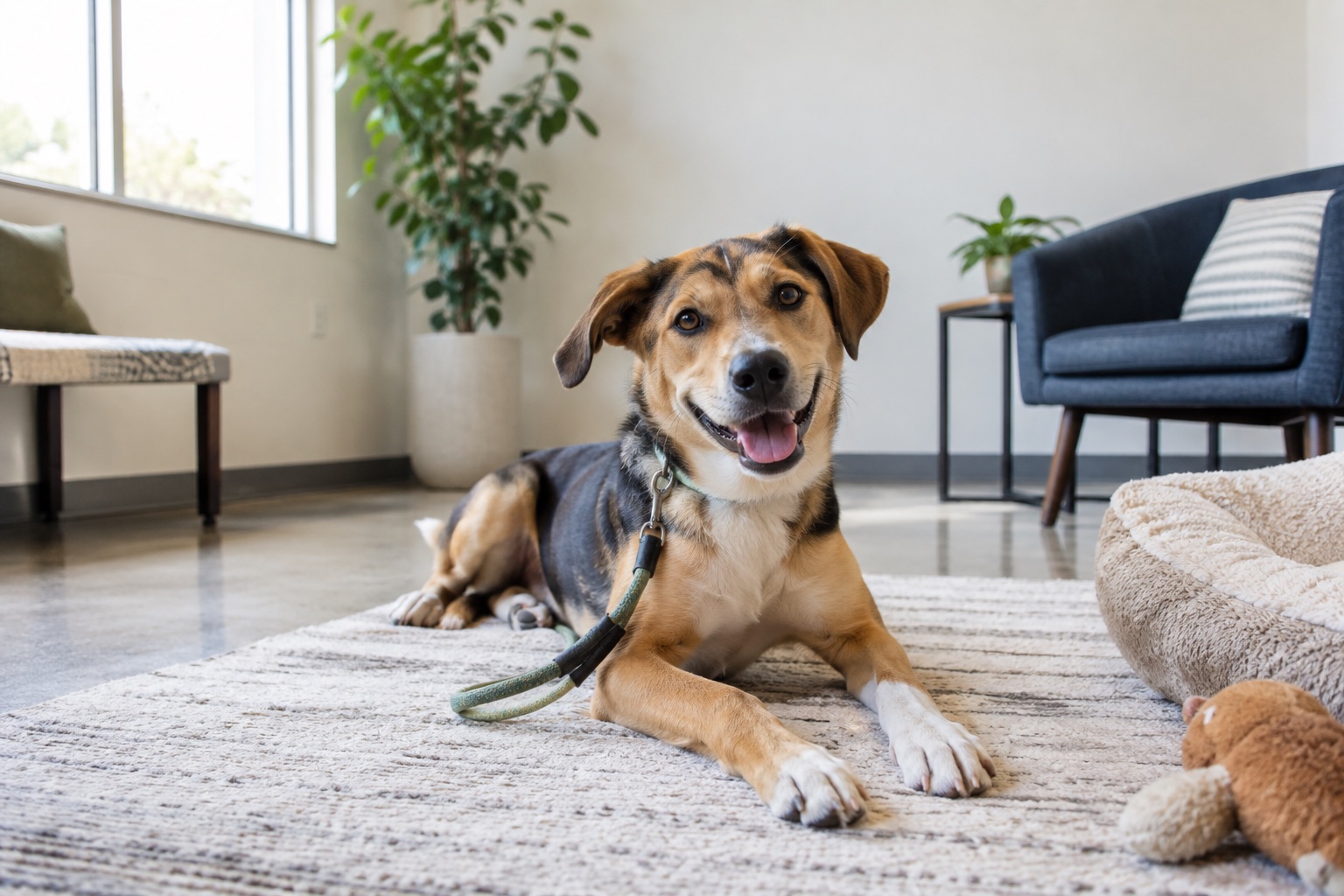
To adopt a dog near you, start with established shelters and rescue organizations, compare dogs by individual needs, verify each organization, prepare your household information, and meet the dog before completing the organization’s application and contract.
1. Define your realistic adoption area
Decide how far you can travel for meetings, required household introductions, pickup, and possible follow-up care. A wider radius may show more animals, but distance should not prevent you from completing the rescue’s process responsibly.
Use PetQuestAI search to enter your ZIP code and explore current listings from participating organizations. Availability changes quickly, so confirm directly with the organization before making plans.
2. Verify the shelter or rescue
Look for a consistent organization name, working contact information, a clear application process, and transparent adoption policies. Search the organization’s name with terms such as “reviews,” “complaint,” and “scam.” Confirm that the person contacting you uses details published through the organization’s official channels.
The Federal Trade Commission’s pet-scam guidance(opens in a new tab) recommends researching the provider, checking whether photos appear elsewhere, arranging an in-person or video visit, and avoiding sellers who insist on gift cards, wire transfers, or cryptocurrency.
3. Build a shortlist around fit
Read beyond the photo. Compare age, size, activity, time-alone needs, medical care, training, known compatibility, and the environment in which behavior was observed. Save questions whenever a listing is unclear.
PetQuestAI’s Match Me quiz can help organize these factors, while our guide to choosing the right dog explains how to evaluate them.
4. Prepare for the application
Organizations may ask about your household, schedule, current pets, landlord approval, veterinarian, fencing, and care plan. Answer accurately. A restriction does not automatically mean rejection; it may help the organization suggest a different dog.
Gather identification, housing permission if needed, current-pet records, and contact information for household adults. Ask how submitted information is stored and used.
5. Make the meeting useful
Follow the shelter’s instructions and allow the dog time to observe. A single meeting is only one snapshot. Ask a staff member or foster caregiver to explain body language, comfortable handling, favorite activities, stress signals, and recovery after excitement.
If children or resident dogs are involved, do not improvise an introduction. Ask the organization when and how those meetings should occur.
6. Review fees, records, and terms
Before paying, confirm:
- The adoption fee and accepted payment method.
- Vaccinations, parasite prevention, testing, and procedures already completed.
- Known medical or behavior needs.
- Identification or microchip transfer steps.
- The adoption contract, support options, and return policy.
Keep copies of the agreement, receipt, and veterinary records. Schedule an appointment with your veterinarian based on the shelter’s guidance and your new dog’s needs.
7. Prepare before pickup
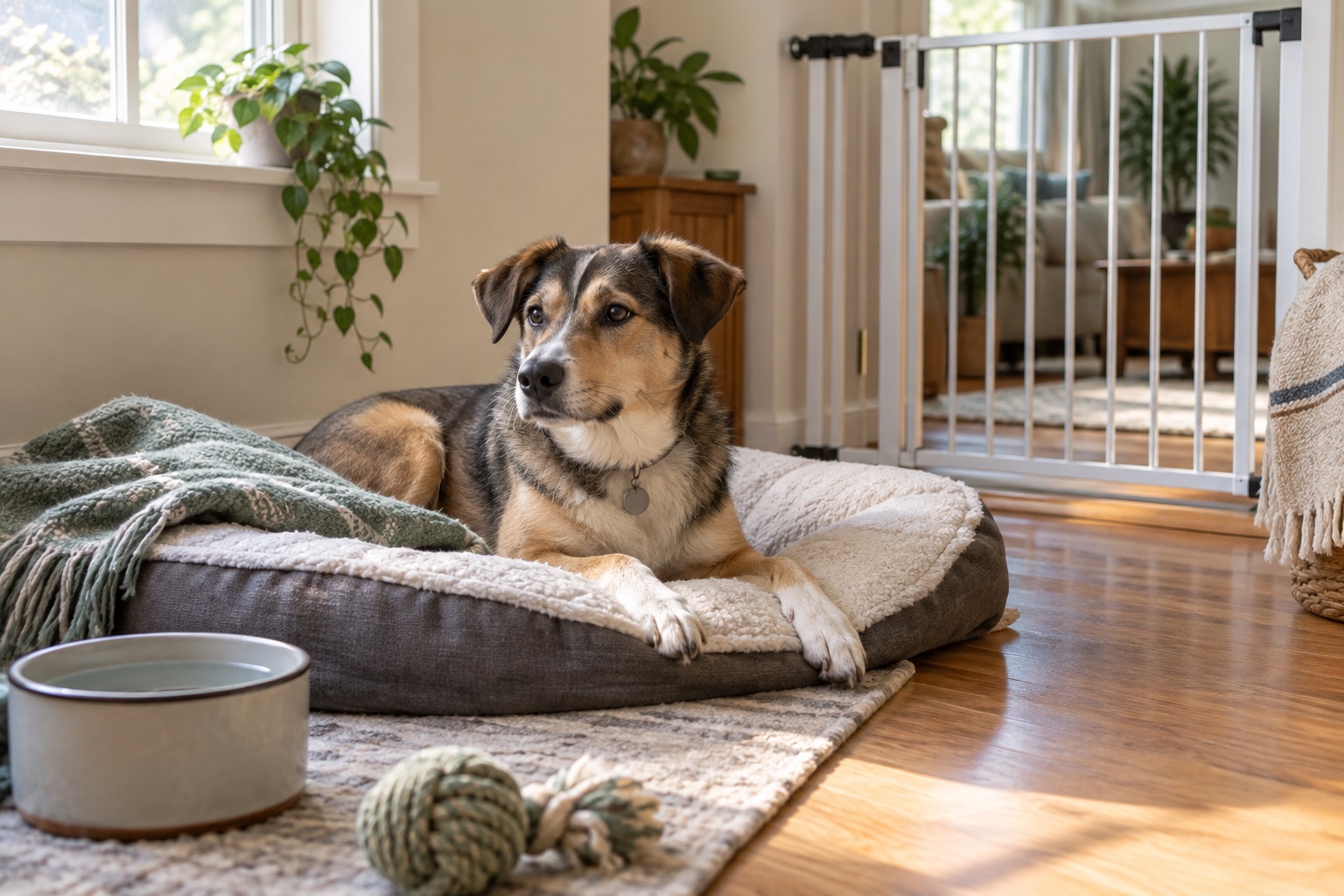
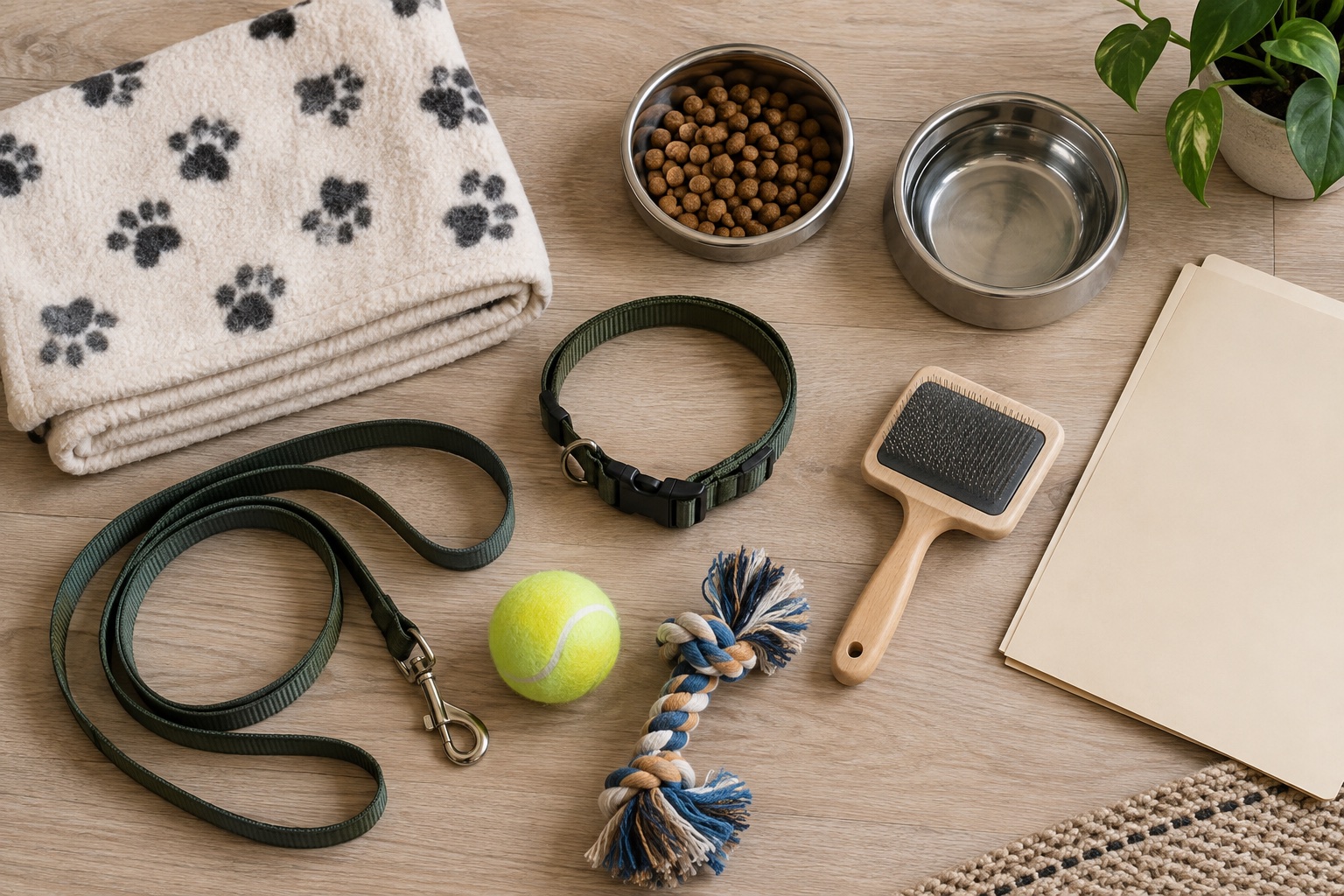
Set up a quiet area, secure doors and gates, remove hazards, and obtain an appropriate leash, harness or collar, identification, food, bowls, bed, and enrichment. Ask what food and routine the dog currently knows so the first days involve fewer sudden changes.
The ASPCA’s adoption tips(opens in a new tab) recommend preparing a dedicated space, securing household hazards, gathering necessities, and allowing pets time to adjust.
A quick anti-fraud checklist
- Contact the organization through a verified website or published number.
- Ask for a live meeting or video conversation.
- Reverse-search suspicious listing images.
- Read the agreement before paying.
- Refuse pressure to use gift cards, wires, or cryptocurrency.
- Do not send sensitive identity or financial information through an unverified contact.
Start with nearby listings, then slow the process down enough to verify the organization and understand the dog. A careful search protects your household and supports responsible rescue work.